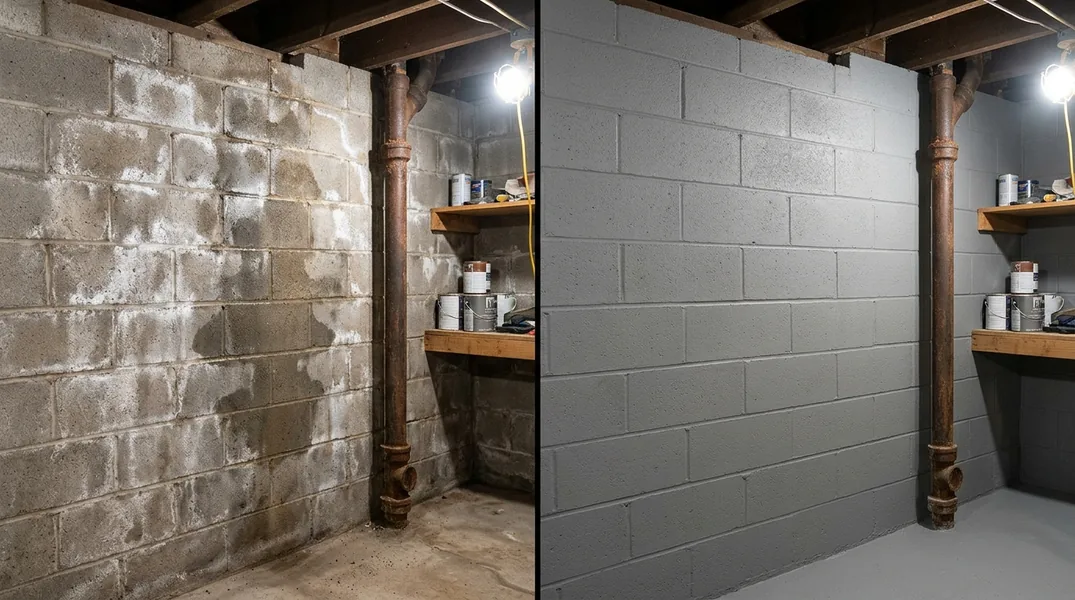
Why Spring Rains Hit Evansville Basements Harder Than You Think
Spring in Evansville brings a familiar pattern: warm air from the Gulf meets cold fronts from the north, and the result is days of steady rain. The ground around your foundation becomes saturated, and once the soil can't hold any more water, that moisture has to go somewhere. All too often, it finds its way into your basement through cracks, porous concrete, and the seam where the wall meets the floor.
What makes Evansville different from many inland cities is the Ohio River. When heavy spring rains fall across the Ohio Valley, the river rises, and the water table beneath the city rises with it. That means even homes far from the riverbank can experience rising groundwater basement issues. Water pushes against your foundation from below and from the sides, and hydrostatic pressure builds until it forces its way through the smallest openings. Homeowners in Newburgh and Boonville see the same pattern when local creeks and tributaries swell.
Reading Ohio River Flood Stages: What They Mean for Your Basement
The National Weather Service tracks Ohio River flood stages at the Evansville gauge, and those numbers are more than trivia for boaters. Each stage corresponds to a water level that affects low-lying areas, storm sewer capacity, and the groundwater table across the metro. When the river reaches action stage, storm drains can start to back up because they discharge into the river. When it reaches minor flood stage, basements in low-lying neighborhoods often begin to seep. Major flood stage is a serious event that can overwhelm sump pumps and saturate foundations for weeks.
You don't need to live in the floodplain to be affected. Ohio River flood basement problems often show up in homes on higher ground because the saturated ground cannot absorb any more rain, so surface water pools against foundations. If you notice efflorescence (the white powdery stain on basement walls), musty odors, or damp spots after a heavy rain, your home is already telling you something. A professional assessment can identify whether you need Basement Waterproofing or a more targeted fix before the next flood stage arrives.
Storm Water Basement Intrusion: Where the Water Actually Comes From
Most homeowners assume basement water comes from a single obvious crack. In reality, storm water basement intrusion usually has several entry points working together. Gutters that discharge too close to the foundation dump hundreds of gallons against the wall during a spring storm. Poor grading lets surface water flow toward the house instead of away. Window wells fill up and leak. And the drain tile system installed when the home was built may be clogged with silt after decades of service.
Once water is in the soil around your foundation, hydrostatic pressure does the rest. It finds hairline cracks in poured concrete, mortar joints in block walls, and the cove joint where the floor slab meets the wall. Over time, that pressure can also cause bowing or cracking in the foundation itself. That's why Foundation Waterproofing and drainage work together. Fixing the source of the water is just as important as sealing the point where it enters. A thorough inspection should look at grading, gutters, window wells, and the condition of the foundation before recommending a solution.
Flood Prevention for Evansville Homes: Practical Steps That Work
Flood prevention starts outside. Make sure your gutters are clean and that downspouts discharge at least six feet from the foundation. Check the slope of the soil around your house; it should drop about six inches over the first ten feet. If you have window wells, keep them clear and consider covers. These low-cost steps reduce the volume of water that ever reaches your foundation, and they make any waterproofing system you install work more effectively.
Inside the basement, the two most common professional solutions are an Interior Drain Tile System and exterior waterproofing. An interior drain tile system captures water that reaches the cove joint and directs it to a sump pump, which is a reliable approach for homes where exterior excavation isn't practical. Exterior Basement Waterproofing involves excavating around the foundation, applying a waterproof membrane, and installing drainage to keep water away from the wall in the first place. Many Evansville homes benefit from a combination of both, depending on age, foundation type, and how the water is entering.
Basement Waterproofing Near Me: When to Call a Pro
Some basement moisture is a DIY fix, like extending a downspout or regrading a flower bed. But certain signs mean it's time to call a professional. Standing water after every storm, recurring dampness that won't dry out, visible cracks that are widening, a sump pump that runs constantly, or any sign of mold growth all point to a problem that needs a proper diagnosis. Waiting through another spring flood season usually makes the damage worse and the repair more expensive.
If you're searching for basement waterproofing near me in the Evansville area, look for a local contractor who inspects the whole system, not just the crack you can see. Evansville Waterproofing serves homeowners throughout the area, including Mount Vernon, and can assess your foundation, drainage, and flood risk in one visit. You can request a free estimate or call (812) 461-1167 to schedule an inspection before the next round of spring storms.
Basement Waterproofing Cost in Evansville: What to Budget
Every basement is different, so pricing depends on the size of the space, the type of foundation, how the water is entering, and whether a sump pump or exterior work is needed. A simple crack injection costs far less than a full interior drain tile system, and exterior waterproofing is a larger investment because it involves excavation. Homeowners should be wary of any contractor who quotes a price over the phone without seeing the basement.
The best way to budget is to get a written, itemized estimate after an on-site inspection. That estimate should explain what is being installed, why it's recommended for your specific situation, and what warranty applies. Spring is the busiest season for waterproofing in Evansville, so scheduling an inspection early can help you avoid the rush and get ahead of the next Ohio River rise. Call (812) 461-1167 or visit the website to arrange a free estimate and protect your basement before the high water comes.
Looking for a professional basement waterproofing contractor in Evansville? Evansville Waterproofing responds fast for all your basement waterproofing needs.
Get a Free QuoteOur services: Basement Waterproofing · Interior Drain Tile System · Exterior Basement Waterproofing